About the Conference
Advancing rainwater as a core component of sustainable and resilient water management.
Conference Overview
Conference Leadership
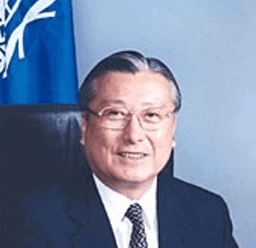
H.E. Dr. Kim Hak-su
Honorary Chair
Former Executive Secretary of UNESCAP
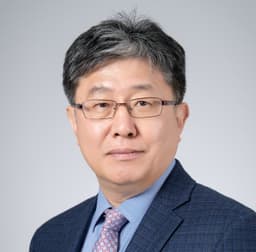
Prof. Mooyoung Han
Conference Co-Chair
Seoul National University / IWA RWHM SG Chair
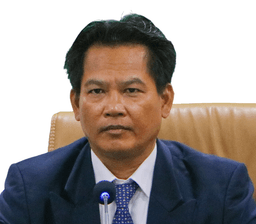
H.E Academician Sok Touch
Conference Co-Chair
President, Royal Academy of Cambodia
The 4th IWA Rainwater Harvesting and Management Conference 2026 is an international forum dedicated to advancing rainwater as a core component of sustainable and resilient water management in the context of climate change.
Organised under the theme "Rainwater for Tomorrow: Water, Climate and Culture," the conference addresses rainwater from multiple and interconnected perspectives, including science and technology, drinking water and water quality, climate resilience, education and community engagement, and policy and governance. It provides a structured platform for interdisciplinary exchange across research, practice, and decision-making.
The conference emphasises practice-oriented learning alongside scientific discussion. By integrating technical knowledge with social, educational, and cultural dimensions, it highlights how decentralised and community-based rainwater approaches can contribute to safe drinking water, adaptive capacity to climate variability, and long-term social resilience.
Hosted in Phnom Penh, Cambodia, the conference offers an opportunity to learn from experiences in monsoon-influenced regions, where rainfall has long shaped livelihoods, settlement patterns, and water management practices. These experiences provide insights that are increasingly relevant to global water challenges.
The conference serves as a platform for knowledge exchange, collaboration, and capacity building, connecting local practice with global learning and supporting the development of inclusive and sustainable water futures.
Key Facts
- Date: 1-6 Sept 2026
- Location: Phnom Penh & Siem Reap
- Expected Delegates: 500+
- Format:Hybrid
In-Person: Full conference access in Cambodia
Online: Virtual participation with live streaming
Free online access for LMIC participants
Theme & Vision
Rainwater for Tomorrow: Water, Climate and Culture
The theme "Rainwater for Tomorrow: Water, Climate and Culture" reflects the conference's vision to reframe rainwater beyond a technical subject and recognise it as a vital link between environmental processes, social systems, and cultural values.
Water
Represents the fundamental role of rainwater in securing safe and reliable water sources, particularly through decentralised systems that support drinking water, public health, and everyday life.
Climate
Highlights rainwater's relevance in responding to climate variability, extreme events, and growing uncertainty, positioning rainwater harvesting as a practical strategy for resilience and adaptation.
Culture
Acknowledges that rainwater management is deeply embedded in local knowledge, traditions, and institutions, especially in regions shaped by monsoon climates, where communities have long learned to live with rain.
The vision of the conference is to bring these dimensions together in a single platform. By connecting scientific innovation with policy dialogue, education, and community practice, the conference seeks to demonstrate how rainwater can support not only technical solutions, but also social learning, youth engagement, and long-term transformation.
Through global dialogue grounded in local experience, the conference aims to inspire collaborative action and shared responsibility, positioning rainwater as a key resource for resilient, inclusive, and culturally connected water systems for the future.
Messages
Prof. Han Mooyoung
Conference Co-Chair
Chair, IWA RWHM SG
Rainwater has long been treated as a supplementary or marginal resource in water management. Yet in an era defined by climate change, water insecurity, and increasingly frequent disasters, rainwater is proving to be one of the most immediate, local, and resilient solutions available to communities around the world. The 4th IWA Rainwater Harvesting and Management Conference 2026 is organised under the theme "Rainwater for Tomorrow: Water, Climate and Culture." This theme reflects our shared recognition that rainwater is not only a technical resource, but also a bridge connecting climate action, community resilience, education, and cultural values—particularly in regions shaped by monsoon climates, where rain has long influenced livelihoods, settlement patterns, and local wisdom.
Academician H.E. Dr. Sok Touch
Conference Co-Chair
President, Royal Academy of Cambodia
Across the monsoon regions of the world, societies have long learned to live with rain as both a gift and a challenge. Seasonal rainfall has shaped agricultural systems, settlement patterns, water storage practices, and cultural traditions. Over centuries, communities have developed local wisdom to harvest, store, and respect rainwater as a foundation of life and resilience. Today, as climate change intensifies uncertainty in rainfall patterns, the wisdom of monsoon regions has gained renewed global relevance. Floods and droughts are no longer isolated events; they are shared challenges that require locally grounded yet globally connected responses. In this context, rainwater represents not only a practical solution, but also a cultural link between climate, community, and sustainability.
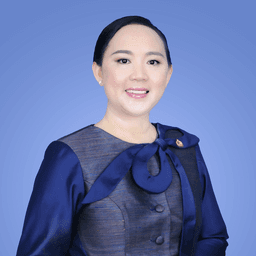
H.E. Dr. Kim Sethany
Government Message
Permanent Secretary of State, MoEYS
The Ministry of Education, Youth and Sport of the Kingdom of Cambodia welcomes the 4th IWA Rainwater Harvesting and Management Conference 2026 and appreciates the opportunity to engage in global dialogue on water, climate, and education. Education plays a central role in preparing future generations to understand and respond to climate and water challenges. Schools are not only places of learning, but also trusted public institutions where knowledge, daily practice, and social values are formed. In this regard, the Ministry recognises the importance of integrating water and climate awareness into education systems in practical and meaningful ways.
Why This Conference
The global water sector is facing a period of profound transition. Climate change is intensifying water-related risks, including floods, droughts, and water quality degradation, while existing water supply systems are increasingly strained by urbanisation, population growth, and social inequality. These challenges demand solutions that are not only technically sound, but also locally adaptable, socially inclusive, and culturally grounded.
Rainwater occupies a unique position within this context. As the most immediate and locally available water source, rainwater has the potential to complement conventional water systems and strengthen resilience at multiple scales. Yet despite its relevance, rainwater remains underrepresented in mainstream water policy, investment priorities, and educational frameworks. Its role is often fragmented—treated separately as a drainage issue, an emergency resource, or a niche technology—rather than as an integrated component of sustainable water management.
This conference responds to the need for a more holistic and integrated perspective. It provides a dedicated international platform to bring rainwater into dialogue with climate adaptation, drinking water security, community resilience, and cultural context.
By doing so, it seeks to bridge gaps between disciplines, sectors, and regions, and to connect scientific knowledge with practical experience and decision-making processes.
The urgency of this dialogue is particularly evident in regions influenced by monsoon climates, where variability in rainfall patterns has direct consequences for livelihoods, infrastructure, and social stability. Experiences from these regions highlight both the risks associated with climate uncertainty and the opportunities to develop resilient, decentralised, and community-based responses.
The 4th IWA Rainwater Harvesting and Management Conference 2026 is convened to address these challenges collectively. It aims to foster shared understanding, exchange evidence and practice, and support collaborative pathways that position rainwater as a meaningful contributor to resilient and sustainable water futures.
Organizers & Partners
Royal Academy of Cambodia
Host Institution
The supreme national academic institution of Cambodia.
IWA RWHM SG
Specialist Group
International Water Association Specialist Group on Rainwater.
Seoul National University
Academic Partner
Leading research partner for rainwater innovation.
Conference Themes
Committees
IWA RWHM Management Committee
The IWA RWHM Management Committee provides strategic oversight and coordination for the conference and the global rainwater harvesting and management community.
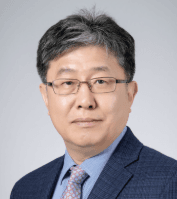
Mooyoung Han
Seoul National University / IWA RWHM SG Chair
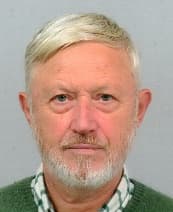
Han Heijnen
International Rainwater Harvesting Alliance President

Nang Mya Su Aung
Rain For All Myanmar
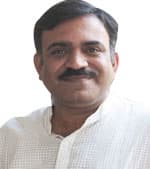
Suresh Kumar Rohilla
University of Bradford
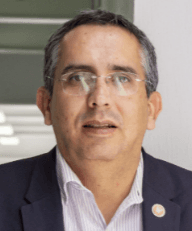
Jose Arturo Gleason
University of Guadalajara / AMSCALL

Sony Pun
Young Rainwater Champions President

Soyoon Kum
Angelo State University

Tulinave Burton Mwamila
Water Institute, Tanzania
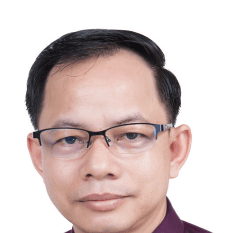
Sarith Mam
RTRC Director / IBMA Laboratory Deputy Director, RAC

Donggeun Kwak
POSCO E&C Korea Senior Manager
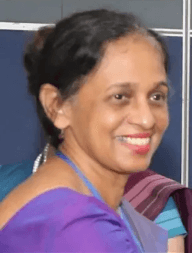
Tanuja Ariyananda
Lanka Rain WaterHarvesting Forum CEO
Advisory Committee
The Advisory Committee provides international legitimacy, strategic direction, and long-term perspective on rainwater harvesting and management, particularly in monsoon regions and LMICs.
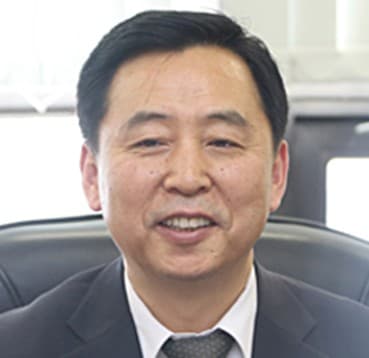
Kim Seong In
Seoul National University / Former Korean Ambassador
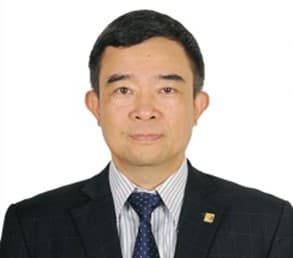
Nguyen Viet Anh
IESE, Hanoi University of Civil Engineering, Vietnam

Henk van Schaik
ICOMOS ISCWH Honorary Vice President
Steering Committee
The Steering Committee serves as the central strategic decision-making and coordination body, ensuring coherent and timely execution across all committees.
Suresh Kumar Rohilla
University of Bradford
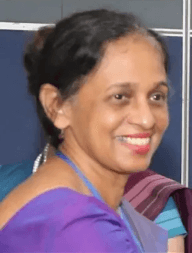
Tanuja Ariyananda
Lanka Rain Water Harvesting Forum CEO
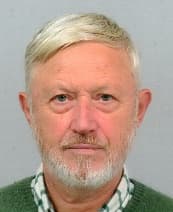
Han Heijnen
International Rainwater Harvesting Alliance President

Han Yoonsun
Seoul National University
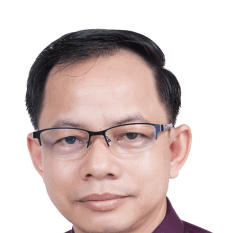
Sarith Mam
RTRC Director / IBMA Laboratory Deputy Director, RAC
Scientific Committee
The Scientific Committee ensures academic rigor, scientific integrity, and fairness in the peer-review process, contributing high-quality knowledge to the global rainwater community.
Suresh Kumar Rohilla
University of Bradford

Marla Redillas
De La Salle University-Manila

Brett Martinson
University of Portsmouth
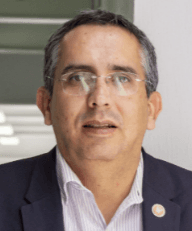
José Arturo Gleason
University of Guadalajara / AMSCALL

Peter Melville-Shreeve
Centre for Water Systems Co-Director
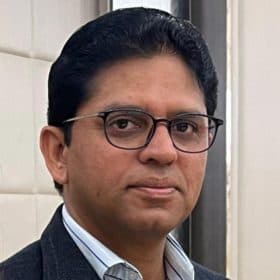
Salahuddin Saiphy
S MSehgal Foundation
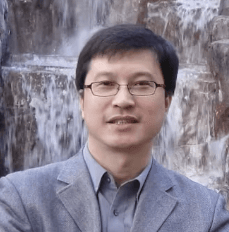
Guan Yuntao
Tsinghua University
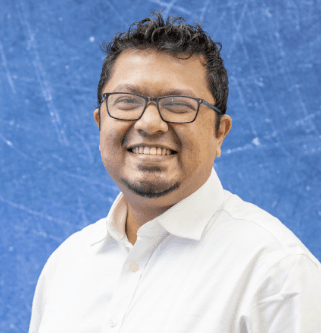
Md Tahmidul Islam
WaterAid Bangladesh
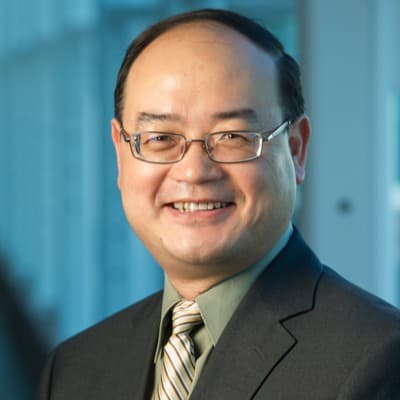
Jianpeng Zhou
Southern Illinois University Edwardsville
Technical Committee
The Technical Committee emphasizes practice-based evidence, operational sustainability, and real-world applicability of rainwater systems, particularly in monsoon regions and LMIC contexts.
Han Heijnen
International Rainwater Harvesting Alliance President

Tulinave Burton Mwamila
Water Institute, Tanzania
Hyunwoo Kim
Meetta Co-Founder

Sony Pun
Young Rainwater Champions President
Nguyen Duc Canh
ICED, VNU-HCM / RIWEM Vietnam
Brecht Mommen
UNICEF Vanuatu
Praween Madusanka
University of Sri Jayewardenepura / Lanka Rain Water Harvesting

An LIU
Shenzhen University
Culture & Heritage Committee
The Culture & Heritage Committee frames rainwater as cultural, historical, and civilizational asset, enriching the conference by integrating water, climate, and culture perspectives.
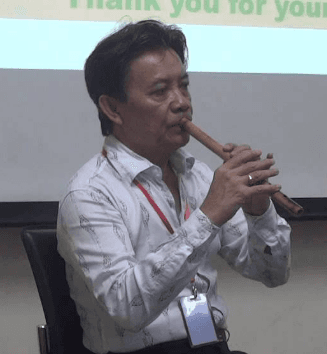
H.E. Dr. Sam-Ang Sam
Chancellor of Pannasastra University of Cambodia and Advisor to the Ministry of Culture and Fine Arts
Henk Van Shaik
ICOMOS ISCWH Honorary Vice President

Nang Mya Su Aung
Rain For All Myanmar

Do Dieu Khue
Seoul National University / Rain For All
Education & Youth Committee
The Education & Youth Committee places learning, youth participation, and school-based practice at the center of rainwater innovation, ensuring long-term impact beyond the conference.
Han Yoonsun
Seoul National University

Soyoon Kum
Angelo State University
Sony Pun
Young Rainwater Champions President
Local Organizing Committee
Chair
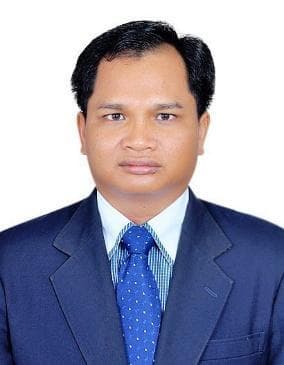
H.E. Dr. YANG Peou
Secretary General of Royal Academy of Cambodia
Members
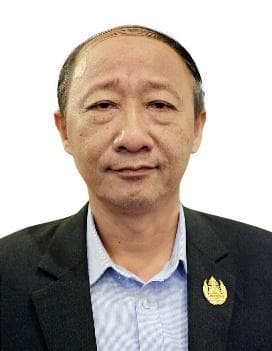
H.E. Dr. NOUTH Sambath
Director General, Institute of Biology, Medicine, and Agriculture (IBMA)
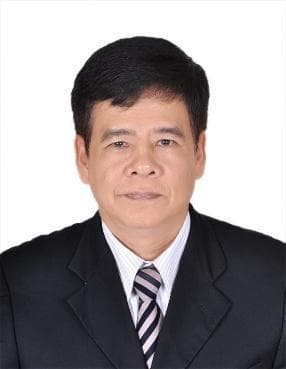
H.E. Dr. NOU Chansophy
Director General, Institute of Cultural and Fine Arts (ICFA)
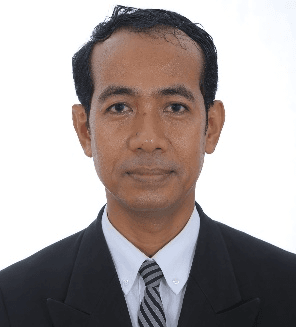
H.E. Dr. PHON Kakseka
Director General, Institute of Humanities and Social Sciences (IHSS)
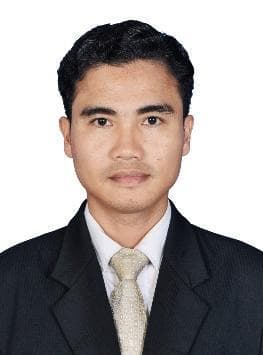
Mr. Heng Virith
Director of Secretariat of Council of Academicians
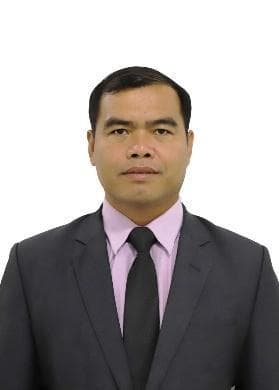
Mr. Buth Someth
Director of Administration and Finance of RAC
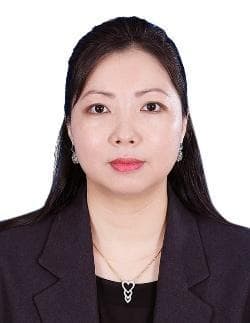
Ms. Seng Solady
Deputy Director of Administration and Finance of RAC

Ms. Khlyn Sichann
Full-time staff of Rainwater Technology Research Center (RTRC), RAC
Secretary to the Local Organizing Committee
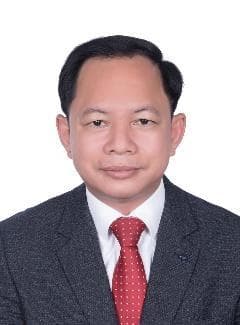
Dr. Mam Sarith
Director of Rainwater Technology Research Center (RTRC), and Deputy director of Laboratory of IBMA, RAC
Government Focal Points / Liaison Officers
(Non-member, coordination roles)
Ministry of Education, Youth and Sport (MoEYS)
Name, Title
Ministry of Culture and Fine Arts (MoCFA)
Name, Title
Ministry of Water Resources and Meteorology (MoWRAM)
Name, Title
Partners & Collaborators
Lead Organizers
Royal Academy of Cambodia
IWA Partner Specialist Groups & Working Groups
IWA Cluster on Nature-based Solutions
Partner Specialist Group
IWA Working Group - Alliance for Water Sensitive Design and Planning
Partner Working Group
IWA Specialist Group on Watershed and River Basin Management
Partner Specialist Group
IWA Specialist Group on Water and Climate Change
Partner Specialist Group
Knowledge Partners & Supporting Organizations

WaterAid
International NGO

Rain For All
International NGO
International Rainwater Harvesting Alliance
Global Network
Mekong Institute
Global Network
Korean Society of Water and Wastewater
Professional Society

Korea Water Resources Association
Professional Society
Korean Society of Water Environment
Professional Society

Korean Institute of Environmental Engineering
Professional Society

Korean Society of Civil Engineers
Professional Society
Korean Society of Groundwater and Soil Environmental Engineering
Professional Society

Korean Society of Applied Ecological Engineering
Professional Society

Korea Water Forum
Professional Society

Korea Green Foundation Children's Environmental Education Center
Professional Society
Korean Academy of Science and Technology
Professional Society

Korea Conformity Laboratories
Professional Society

Meetta
Social Venture
Research Institute for Water and Environmental Management
Research Institute
Political Partners

Han Jeong-ae
Chairperson of the National Assembly Water Forum
Partnership Opportunities
Become a Partner
Support the global rainwater harvesting movement and gain visibility among 500+ international delegates, researchers, policymakers, and practitioners. We offer partnership packages for industry, philanthropy organizations, and international funding agencies.